
How humidity monitoring changes roof maintenance

Roof maintenance has traditionally relied on periodic inspections, visual observations and reactive repairs. While this remains essential, it has clear limitations: inspections provide only a snapshot of roof condition, and humidity-related issues inside concealed roof assemblies may develop long before visible signs appear.
This creates a gap between when damage begins and when it is detected. By the time humidity problems become visible, the required intervention may already be larger, more expensive and more disruptive than it would have been at an earlier stage.
From reactive maintenance to condition-based decisions
Humidity monitoring changes this maintenance model by adding continuous or regularly updated condition data to the decision-making process. Instead of relying only on inspection intervals or assumed service life, owners and facility managers can base maintenance decisions on measured roof conditions. This supports a shift from reactive maintenance toward condition-based maintenance.
For inspections, this does not mean replacement. Physical inspections, cleaning, repairs and preventive work by qualified professionals remain necessary. However, monitoring can make inspections more targeted and effective. Data can help identify which roofs or roof areas need closer attention, where risks may be developing, and when intervention is most urgent. In this way, monitoring becomes an additional tool in the maintenance toolbox.
From monitoring to portfolio optimization
The value increases further at portfolio level. When humidity data is collected across multiple roofs, owners can begin to identify patterns that are not visible from individual inspections alone. They can compare performance between roof types, materials, assemblies, contractors and installation practices. Over time, this creates better insight into which solutions perform well under real operating conditions and where recurring risks occur.
This type of portfolio intelligence can support better maintenance prioritization and capital planning. Repairs can be directed first to roofs with measured risk, while roofs performing well may be monitored without unnecessary intervention. The same data can also support decisions on refurbishment timing, reroofing priorities and future specifications.
Integrating monitoring into maintenance processes
Humidity monitoring does not automatically improve maintenance outcomes. Its value depends on how the data is interpreted and integrated into existing maintenance processes. Clear responsibilities, response protocols and cooperation between owners, facility managers, consultants and roofing professionals are essential.
In practice, humidity monitoring changes roof maintenance by improving the timing and quality of decisions. It helps move maintenance from assumptions toward evidence, from isolated observations toward portfolio-level learning, and from reactive repairs toward more strategic asset management.
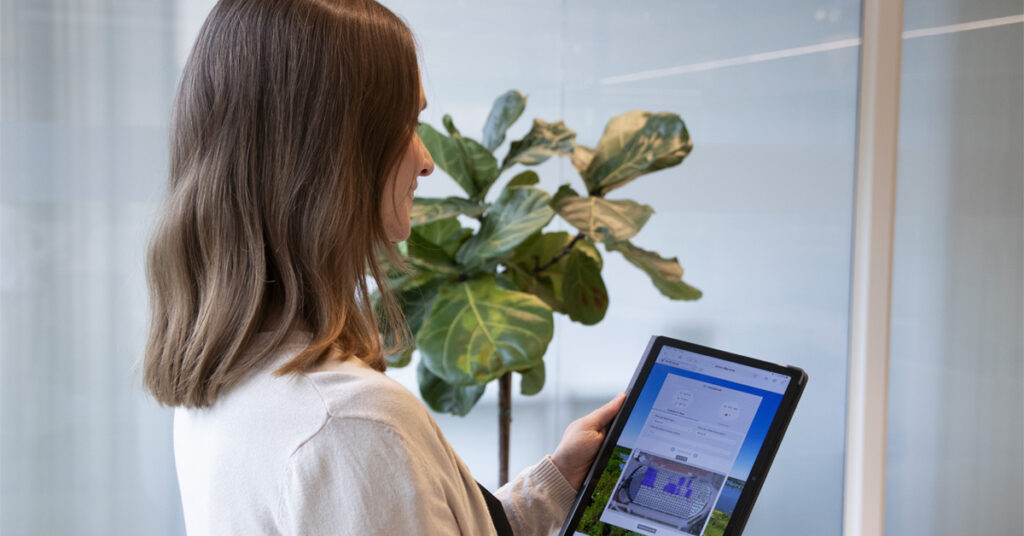
One example of this type of approach is VILPE Sense, a roof monitoring solution designed to provide continuous insight into humidity conditions within roof structures. By combining sensors with data visualization, it enables building owners and facility managers to monitor roof performance remotely and support more informed maintenance decisions. Like other monitoring solutions, its value depends on how the collected data is integrated into maintenance processes and used in practice.