
Roof insurance – what does roof insurance mean and how does VILPE Sense help manage risks?

If your roof suddenly starts leaking or is damaged in a storm, it’s natural to wonder whether your insurance will cover the repairs. The answer depends on the cause of the damage and whether it is the result of an unforeseeable event. Roof insurance usually covers sudden, unexpected events—but it typically does not cover moisture problems that have been developing slowly over time.
Insurance for roofs provides financial protection in the event of damage, but it does not replace preventive maintenance. Regular roof monitoring – for example with VILPE Sense – is an essential part of risk management.
What Does Roof Insurance Mean in Practice?
Roof insurance usually isn’t a separate policy, but it is included in standard property insurance.
• What does insurance cover? Property insurance usually includes the roof and covers sudden damage: for example, if a tree falls onto the roof during a storm.
• What does insurance not cover? Property insurance doesn’t cover routine roof repairs, normal wear and tear or gradually developing moisture damage. Neglected maintenance or afterwards added installations may reduce compensation.
As policy terms vary, it’s always worth checking the details of your own property insurance.
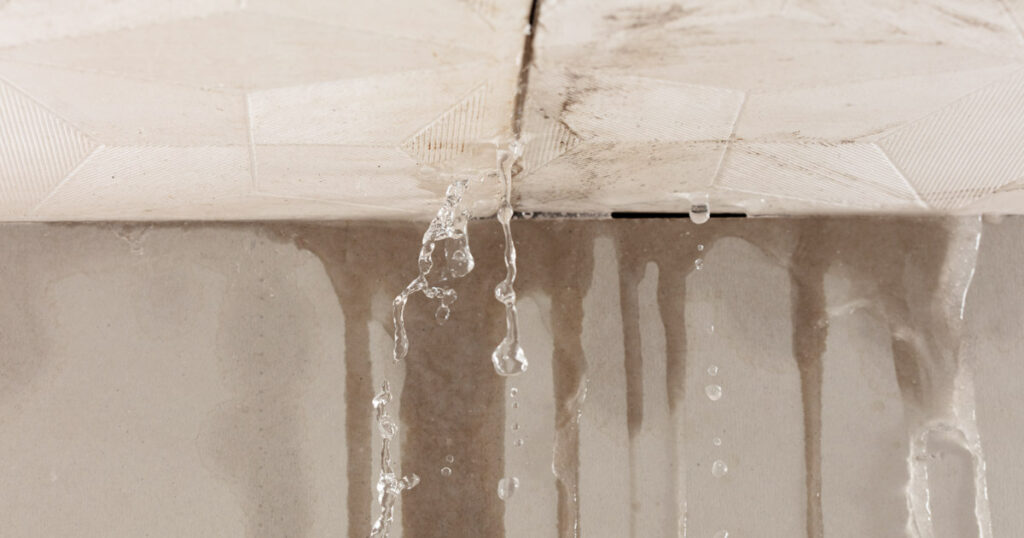
Insurance or Warranty – Why Is the Difference Important for the Roof?
A warranty is a promise given by the manufacturer that the product will perform as expected for a specified period. A roof warranty may apply, for example, to roofing materials or installation work. If a product is defective or does not meet requirements, the manufacturer will carry out the necessary repairs or provide a new product free of charge. A roofing material manufacturer may offer a warranty of 10–30 years or even longer for the roofing material. The company responsible for installing the roof material may also provide a warranty for its work.
Insurance, including insurance for roofs, is broader protection against unforeseen events or loss of property. The insurer agrees to compensate financial losses resulting from predefined events under specific conditions. Insurance is always subject to a fee for the policyholder. For example, in exchange for a monthly premium, property insurance covers damage caused by events such as fire or a sudden pipe leak.
Flat Roof Insurance – Why Are Flat Roofs More Risk-Prone?
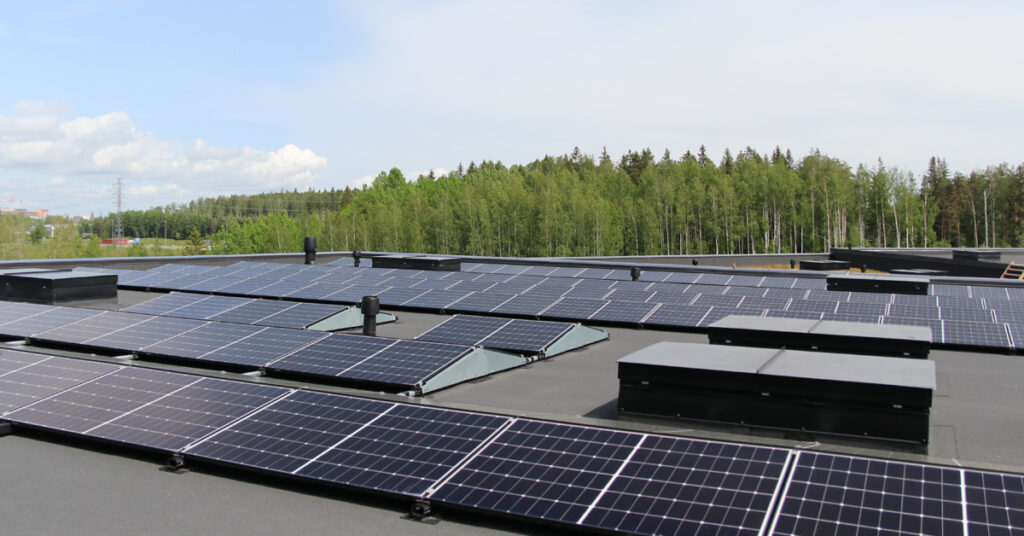
Insurance premiums for flat roofs may be higher, as some insurance companies consider them higher risk. The main reason is that water and snow don’t drain off as easily as they do on pitched roofs. This increases the chance of moisture buildup, faster material wear, and potential leaks.
Common flat roof risk factors
- Water ponding in depressions, which weakens materials over time.
- Damage from walking or maintenance, or simply from aging.
- Blocked roof drains or rainwater systems, often caused by debris.
- New equipment or structures added later increase penetrations, loads, and design complexity, all of which can compromise the roof’s original waterproofing performance
- Older design structures may include design details that are insufficient by modern standards and climate.
Still, a flat roof can be an excellent solution—as long as it is properly designed, installed, and maintained. Many apartment buildings, commercial properties, and industrial facilities rely on flat roof structures. Comprehensive roof insurance or a flat roof insurance helps when something goes wrong, but regular seasonal inspections remain essential. Check drainage systems in spring and autumn, clear debris, and inspect bitumen roof joints to ensure rubber seals remain intact.
When Roof Damage Occurs – What to Do and How to Simplify the Process
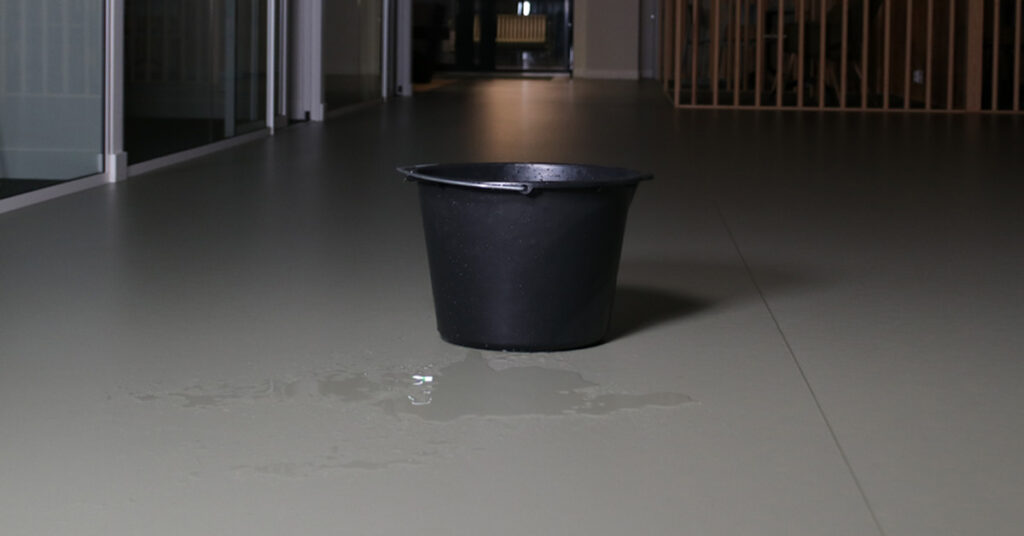
Here is how a property owner should act if the roof develops a leak or other damage.
- Prevent further damage. If safe, cover the leak source with a tarp. Inside, protect belongings and catch dripping water. Isolate the area if needed.
- Document the situation. Note when you found the damage and what the weather was like. Take clear photos and videos.
- Submit a claim to the company that issued the insurance for the roof. Request instructions for next steps.
- Avoid major repairs on your own. Temporary fixes are okay in an emergency but leave the real repair work to professionals.
- Collect relevant documents. Maintenance records, past inspection reports, and project documentation can be helpful.
- Request a professional assessment. A local roofing contractor can inspect the damage and provide repair services.
Today, IoT systems are available to protect buildings by monitoring roof structures. One example is VILPE Sense. The system has two options: VILPE Sense leak detection helps to detect potential leaks by measuring humidity level in constructions. VILPE Sense humidity control monitors structures and ventilates them automatically as needed.
Enhance Roof Protection with VILPE Sense

Good documentation and regular monitoring complement the protection offered by roof insurance. VILPE Sense strengthens this with:
- Early warnings. Spot rising humidity before it becomes serious damage.
- Reliable data. Continuous measurements support smarter maintenance planning.
- Clear documentation. Demonstrates that you’ve actively monitored the roof’s condition.
- More efficient inspections. Helps pinpoint problem areas on large roof surfaces.
- Peace of mind. 24/7 monitoring reduces the risk of unnoticed issues.
Summary
Roof insurance is usually part of property insurance, and compensation depends on the cause of the damage and the policy terms. For flat roofs in particular, solid risk management is essential because drainage and maintenance greatly affect the roof’s lifespan and vulnerability to problems. Insurance provides financial protection after damage occurs, but preventive maintenance still plays the biggest role. Continuous monitoring, documented inspections, and control of moisture conditions—such as through VILPE Sense—help reduce risks and make any claims process smoother.
Learn more about VILPE Sense and ensure that your roof’s condition is monitored systematically before minor issues develop into costly damage.
References: